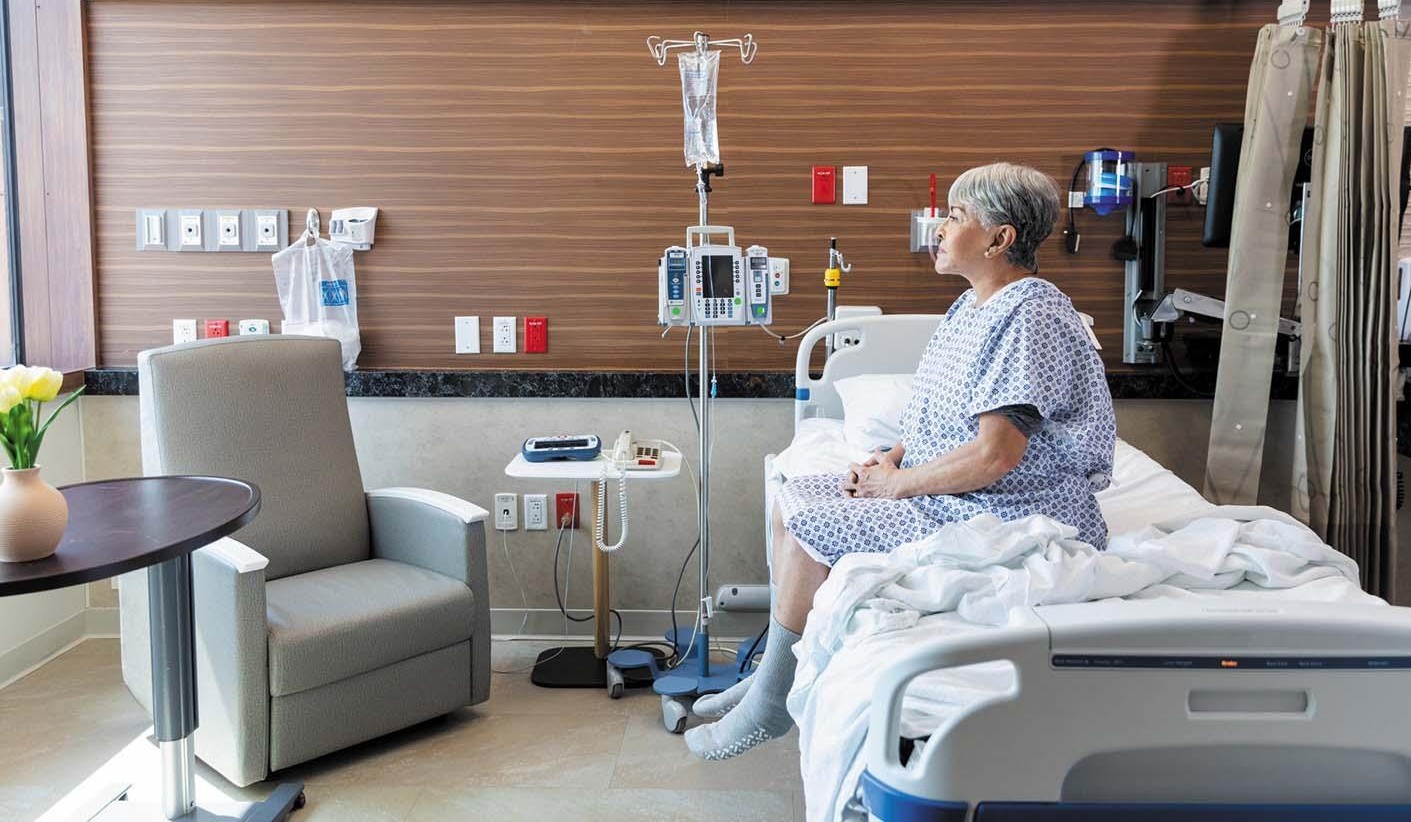
Modern cancer treatments have significantly improved survival rates and outcomes, but the journey often remains physically and emotionally demanding for patients. Fatigue, pain, anxiety, neuropathy, and other treatment-related side effects continue to affect many undergoing treatment, often impacting their quality of life and ability to complete their prescribed care.
Nearly 48% of cancer patients do not continue their prescribed treatment due to toxicity and treatment-related challenges, according to findings from the Tata Memorial Centre’s Hospital-Based Cancer Registry, said Rajiv Lal of Anugnya Holistic Care. The study also cited financial constraints, lack of family support, and social stigma among the reasons for low treatment completion rates.
“The future of cancer care lies in integrating modern medicine with time-tested healing systems. While surgery, chemotherapy, radiation, and targeted therapies remain essential, patients also need support to manage treatment-related side effects and improve their overall well-being. Integrative cancer care is not about replacing conventional treatment, but about making the cancer journey more humane and patient-centric,” said Sangeeta Bhalla, cancer survivor and founder of Anugnya Holistic Care.
Recalling her own cancer journey, Sangeeta said the period following treatment was marked by severe weakness and exhaustion, with little guidance available on managing recovery beyond medical intervention. Having undergone three radical surgeries, including one that was life-threatening, she said she was troubled by the widespread assumption that suffering and fatigue were simply unavoidable parts of recovery.
Determined to find solutions, Sangeeta explored integrative care approaches that are already offered at leading international cancer centres, where supportive therapies are used alongside conventional treatment to help patients manage pain, fatigue, stress, and other side effects.
Inspired by these models, Sangeeta, her husband Rajiv Lal, and co-founder Viiveck Verma of Anugnya Holistic Care spent nearly a decade studying and refining holistic healing practices, including energy healing and aromatherapy, into a structured support framework that could be delivered consistently, including through remote care.

“None of us arrived at this through theory. We arrived here through our own treatment journeys and personal losses. We built the support system we wished had existed when we needed it most,” Bhalla said.
Meanwhile, Viiveck Verma said the initiative was also shaped by his experience supporting his wife through an 11-year cancer journey, during which he witnessed the immense emotional and physical burden placed on caregivers.
“Caregiver burnout is real and often invisible. Families carry significant responsibilities throughout treatment. We wanted to create a system that supports not only patients, but also the people standing beside them,” he said.
Today, Anugnya Holistic Care offers a support ecosystem that includes trained healers, collaboration with oncologists, patient progress tracking, daily online meditation sessions, aromatherapy support, healing protocols, and confidential peer-support groups.
Sharing a patient case, Sangeeta spoke about a 21-year-old Hodgkin’s Lymphoma patient who experienced severe nausea, neuropathy, and pain during chemotherapy. Through regular supportive care sessions, his symptoms eased considerably, enabling him to complete all treatment cycles while also providing emotional support to his family.
The founders emphasised that Anugnya Holistic Care is designed to complement, rather than replace, conventional medical treatment, with a focus on helping patients manage treatment-related side effects and improve their overall quality of life. The organisation aims to make integrative cancer support more accessible across India through its community-based care model.
Got questions or experiences to share? Comment below or connect with me on Instagram @samuelmjosh and LinkedIn: https://www.linkedin.com/in/samuel-joshua-maddela-ab210b1b9