

Are today’s students truly prepared for a world driven by algorithms, automation, and artificial intelligence? As industries transform at lightning speed, classrooms can no longer depend only on traditional teaching methods. Students need strong digital skills, critical thinking abilities, adaptability, and problem-solving skills from a young age.
In a fast-growing country like India, home to one of the world’s youngest populations, early skilling is essential. The future belongs to those who can innovate, understand data, work with technology, and think beyond textbooks. Education must move past rote learning and focus on practical, personalised, and tech-driven growth that aligns with evolving industry demands.
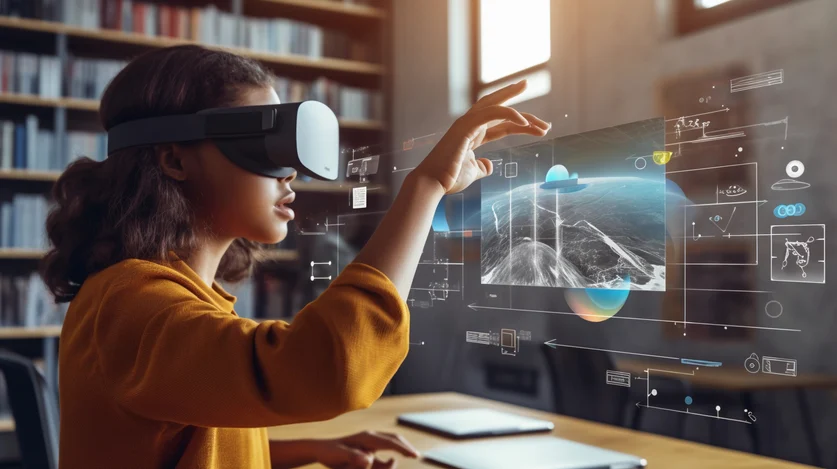
Recognising this global shift, Artificial Intelligence is now being integrated into learning frameworks across progressive classrooms, making education more adaptive and data-informed. From intelligent tutoring systems and adaptive learning platforms to real-time feedback tools and immersive visualisation technologies, AI is transforming how lessons are delivered and how students engage with concepts.
Moving beyond trends and buzzwords, this transformation is being implemented with purpose at The Premia Academy in Hyderabad, where AI enhances meaningful learning experiences without replacing the human touch of educators.
Education has never been one-size-fits-all. Every student learns at a different pace and in a different way, and large classrooms often struggle to meet these varied needs. AI helps bridge this gap by enabling personalised learning journeys based on individual progress, while keeping teachers at the centre of the process. Here at the academy, AI supports educators by analysing learning patterns, reducing routine administrative tasks, and offering clear insights, enabling them to focus more on mentorship, creativity, and meaningful student engagement.
The results are already visible. Adaptive platforms modify lessons according to student performance. Automated assessments save valuable classroom time. Predictive tools help identify learning gaps early, while intelligent systems provide instant explanations and academic guidance. Students benefit from self-paced, interactive learning, and teachers gain better clarity and efficiency in delivering lessons.
Importantly, the integration of AI is guided by responsibility. Data privacy, ethical technology use, fairness, equal access, and continuous teacher training remain central to the approach. Looking ahead, AI-led mentorship, immersive AR and VR classrooms, multilingual support, and data-driven curriculum design are expected to further strengthen learning outcomes and prepare students for the demands of the 21st century.
Got questions or experiences to share? Comment below or connect with me on Instagram @samuelmjosh and LinkedIn: https://www.linkedin.com/in/samuel-joshua-maddela-ab210b1b9


