

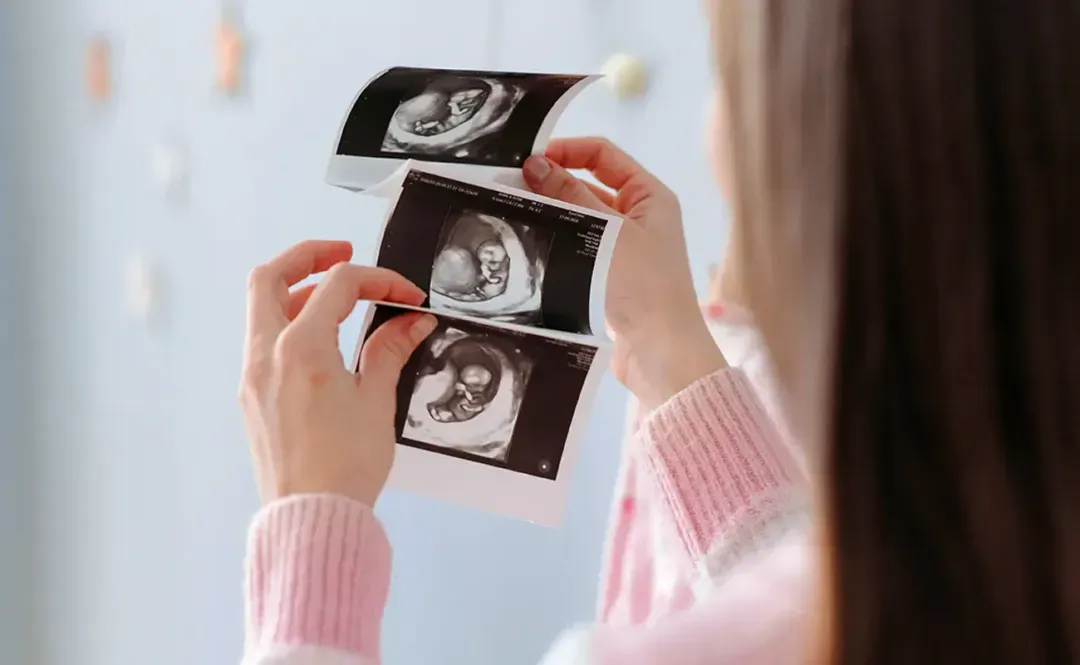
With more people choosing to marry and start families later in life, fertility challenges are drawing greater attention as India’s Total Fertility Rate (TFR) falls to around 2.0, below the replacement level of 2.1, bringing reproductive health awareness and fertility planning into sharper focus.
The trend has also brought greater attention to fertility preservation and reproductive planning at a younger age, particularly as more women choose to pursue careers and postpone marriage and parenthood.
Options such as egg freezing can provide greater flexibility in family planning, while early awareness of reproductive timelines can help individuals make more informed decisions, said entrepreneur and patient advocate Veena Reddy.
Launching Oval Fertility’s flagship centre in Hyderabad, Veena said the facility, co-founded with fertility specialist Dr. Brian Levine, offers assisted reproductive services and fertility diagnostics and introduces Astec Chronos, an embryo incubation technology developed in Japan to support fertility treatment and embryo monitoring.
Veena noted that infertility is on the rise among young couples and that conversations around reproductive health should begin as early as the 20s. “If you ask me the target audience, I would say from the early 20s to infinite,” she said, adding that the centre has been designed as a sanctuary where patients are treated as guests, with aesthetics aimed at creating a home-like environment rather than a clinical hospital setting.
Drawing from her own IVF experience, Veena said the journey exposed gaps in fertility care, particularly in transparency, patient education and emotional support. “There was a lack of quality, empathy and transparency. During that journey, I realised how important it is for patients to feel supported and informed while making deeply personal decisions,” she said.
The Hyderabad facility houses 6 embryology workstations, 7 treatment suites and 5 recovery rooms, and is designed to support around 800 fertility cycles annually with a clinical team of 3 fertility specialists and 3 embryologists.
“The vision is to shape the future of fertility care by combining science, technology, compassion and clinically advanced care at Oval Fertility,” said Dr Brian Levine, Founding Medical Advisor of Oval Fertility.
Meanwhile, Dr Sandeep Karunakaran, Medical Director of Oval Fertility, said reproductive medicine has advanced rapidly over the past five decades but stressed that scientific evidence and ethical practice must remain central to fertility treatment. The centre uses AI-assisted embryo monitoring to track development inside incubators without repeated manual opening, helping maintain stable conditions and reducing variability linked to human intervention.
He added that alerts are triggered in real time in case of any fluctuations, allowing quick corrective action. The transparent embryology laboratory also helps improve patient understanding and supports more precise clinical decision-making.
Changing fertility patterns and rising early awareness of reproductive health are expected to continue reshaping care priorities, with facilities like Oval Fertility positioned as a sanctuary for science-led, patient-centric treatment.
Got questions or experiences to share? Comment below or connect with me on Instagram @samuelmjosh and LinkedIn: https://www.linkedin.com/in/samuel-joshua-maddela-ab210b1b9


